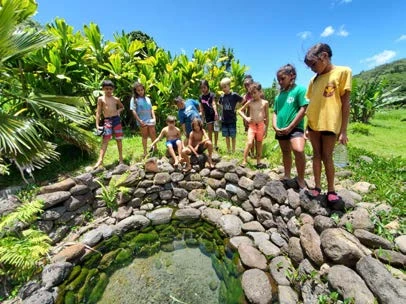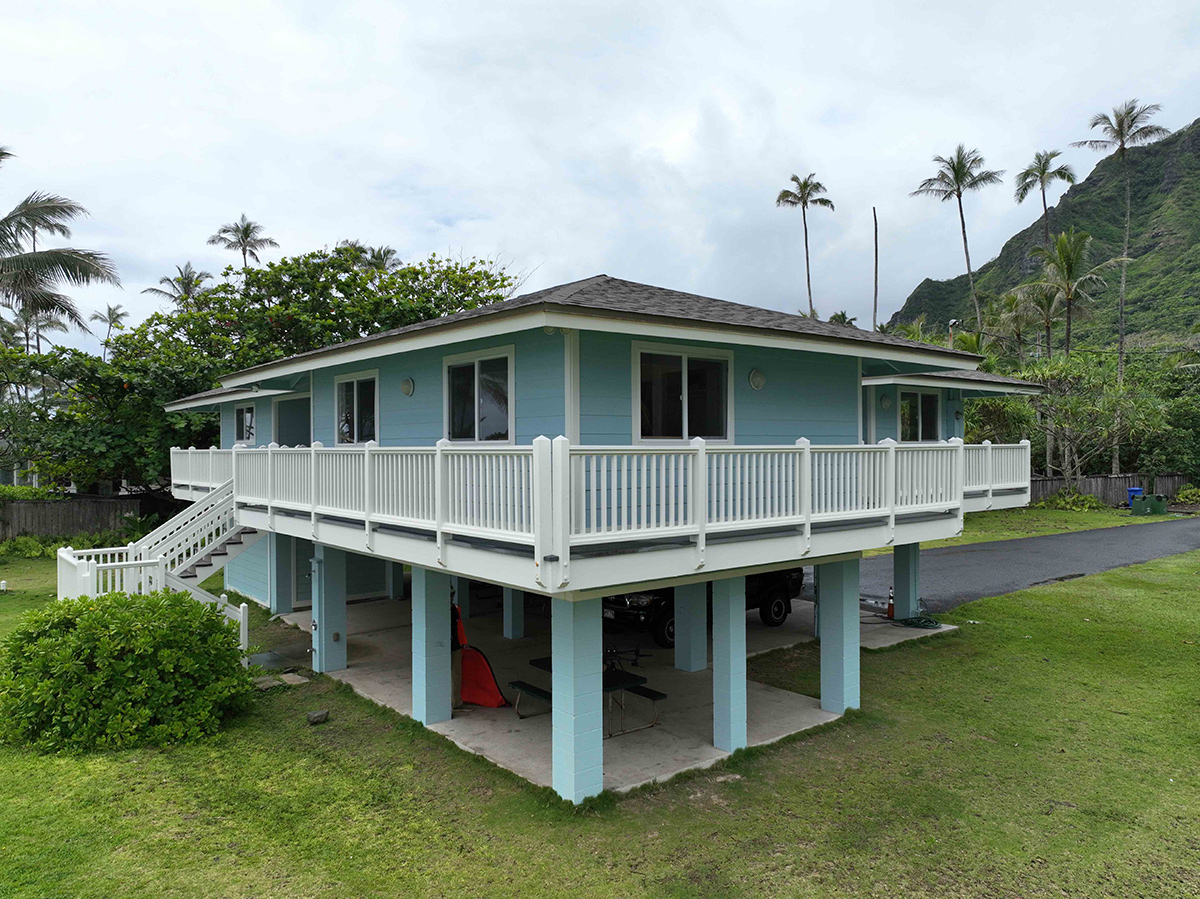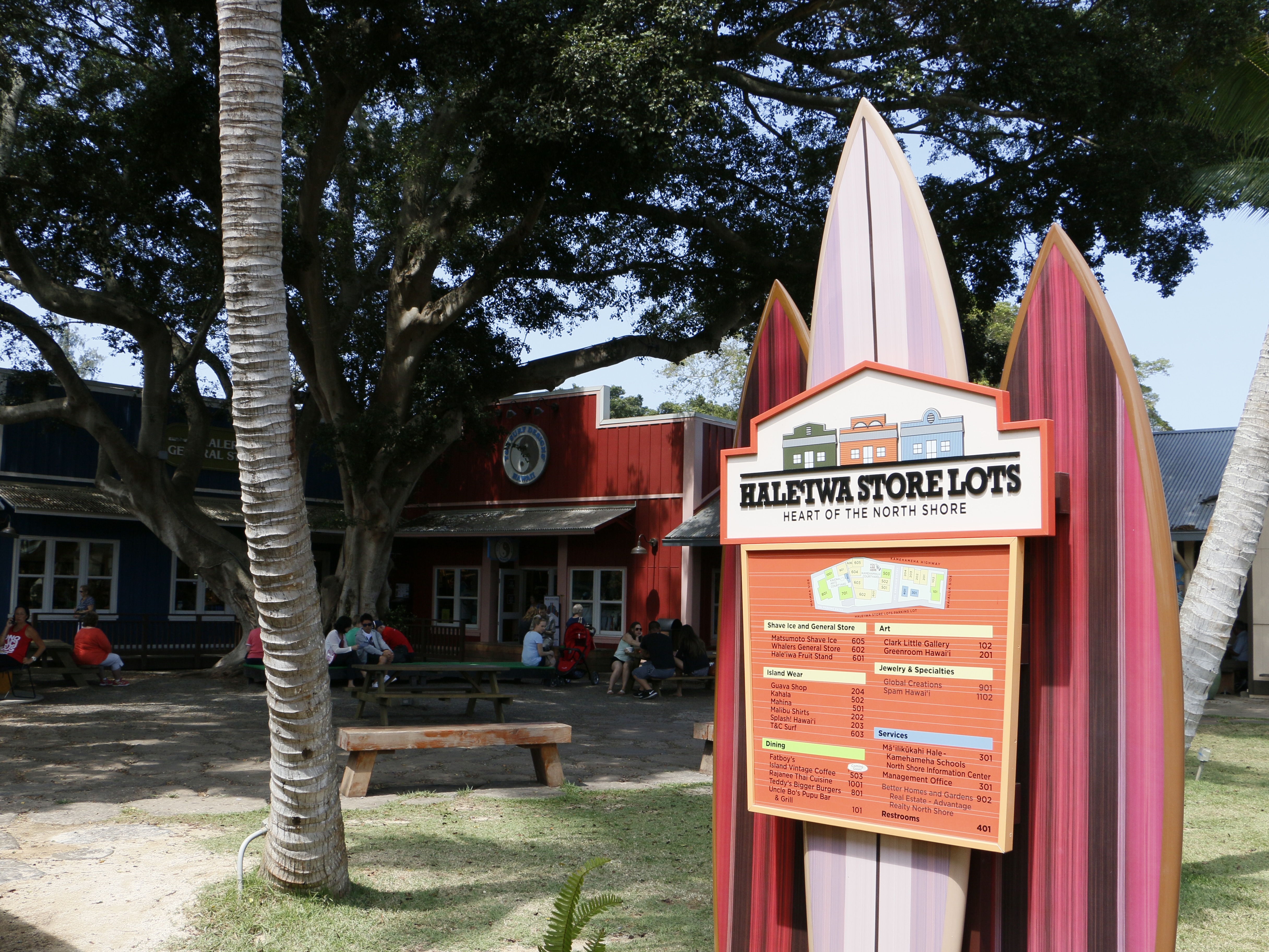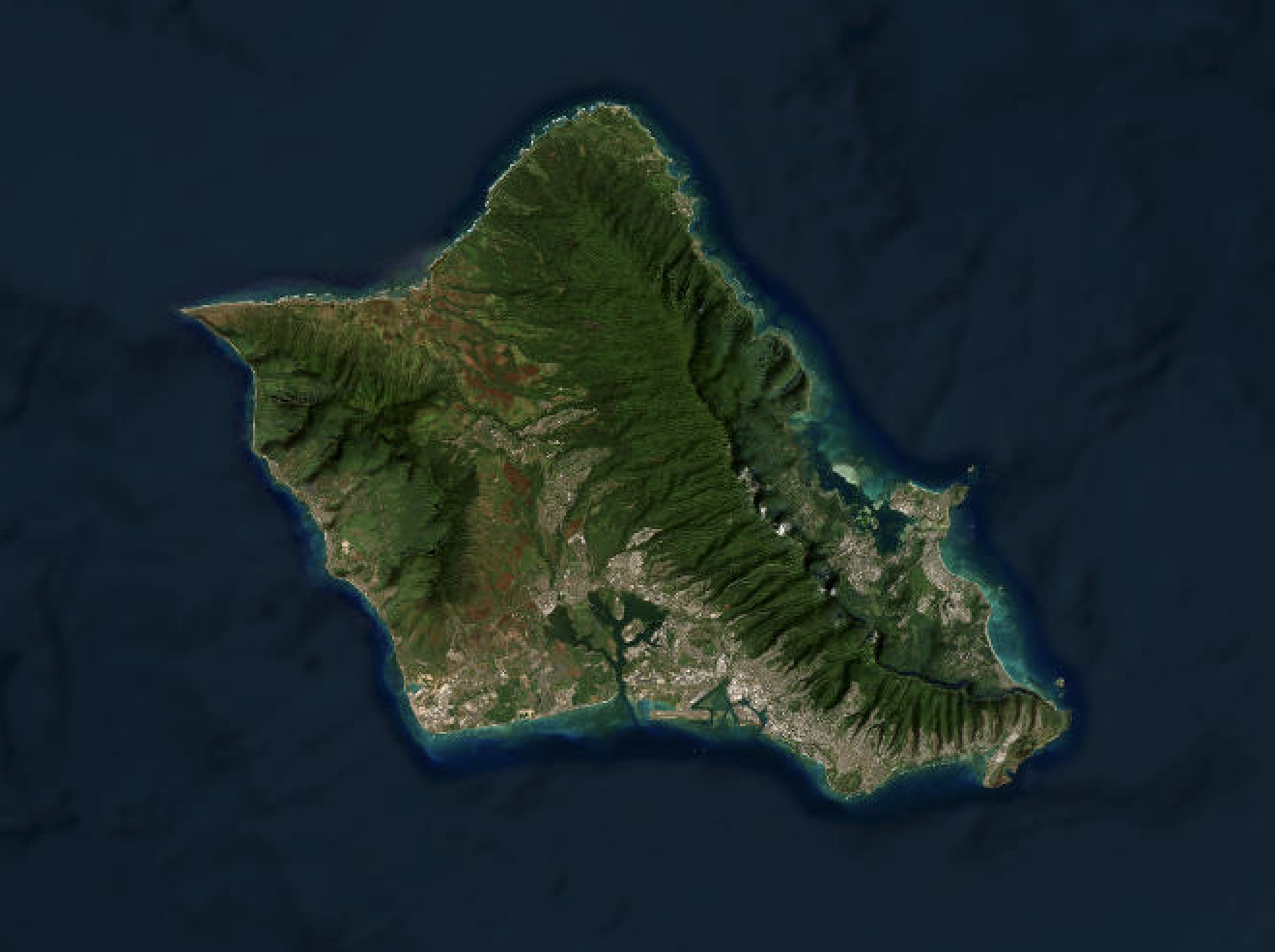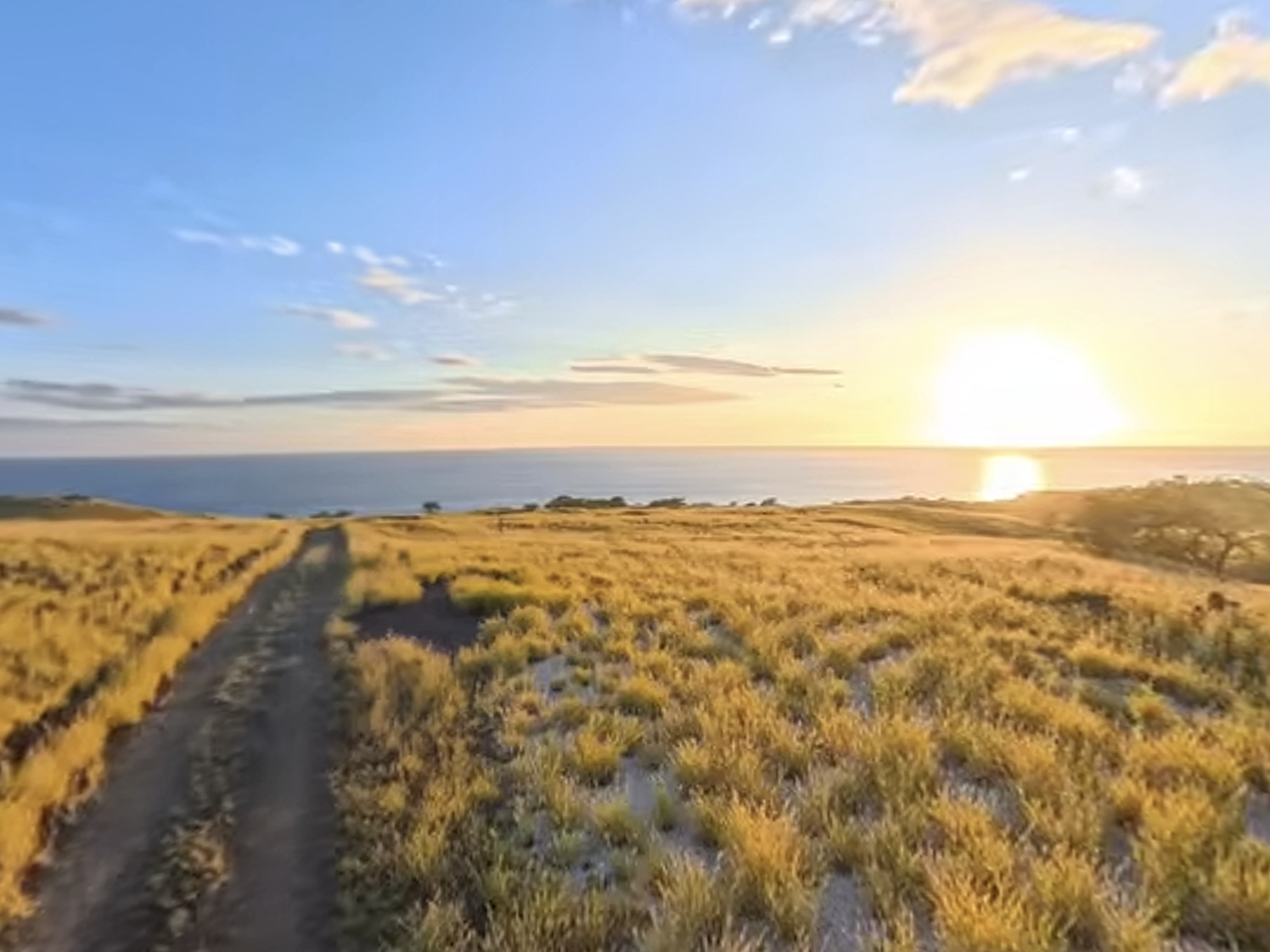

‘Āina Pauahi refers to the lands entrusted to our care by Ke Ali‘i Bernice Pauahi Bishop. It is a living legacy that reflects our enduring relationship with ‘āina and helps sustain Pauahi’s educational mission. The name embodies both our connection to these lands and our responsibility to steward them in ways that honor her vision and benefit the lāhui for generations.
Today, it is our kuleana to steward this living ‘āina legacy with intention - protecting, managing, and thoughtfully evolving it to create enduring waiwai for thriving ‘ohana, communities, and future generations. Guided by ‘ike Hawai‘i and a long-term perspective, we seek to ensure that ‘Āina Pauahi continues to sustain education, strengthen communities, and create lasting benefit for the people and places of Hawai‘i in perpetuity.
Ma ka ‘āina ka ‘ike
In the land, there is knowledge
Our commitment to community resilience is rooted in Native Hawaiian values, emphasizing the well-being of Hawai‘i’s people and ‘āina for future generations. Safeguarding Hawai‘i is a shared kuleana. Through collaboration, we protect our keiki, support our kaiāulu, and ensure a thriving future for all of Hawai‘i.
July 9, 2026
Hanauma Bay: Stewardship, access, and a lasting commitment to Maunalua
Learn more about the history of Hanauma Bay and how decades of stewardship and conservation continue to protect one of Hawaiʻi’s most iconic places.
July 7, 2026
Maunalua: Restoring a name, recognizing a place
The addition of “Maunalua” to the Hawaiʻi Kai entrance sign honors the area’s traditional Hawaiian name and enduring cultural heritage.
June 19, 2026
Mural at Kapālama Kai invites reflection on Kumulipo, kai and kuleana
A new mural in Kapālama Kai inspired by the Kumulipo transforms ʻāina Pauahi into a vibrant reminder of the deep genealogical connection between kānaka, kai and all life.
June 9, 2026
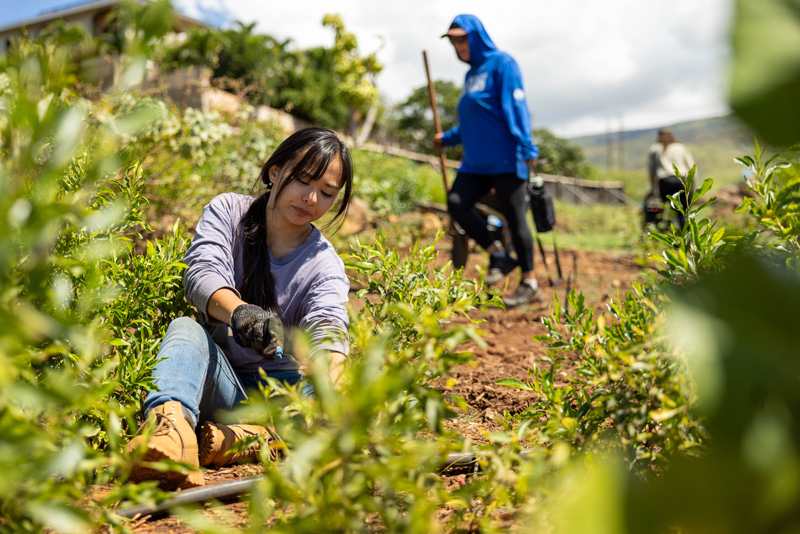
Native reforestation begins to take root on KS ‘āina in Lahaina ma uka
An innovative effort to reforest the ma uka areas of Lahaina has reached an important milestone with the planting of native and Polynesian-introduced species in an approximately four-acre section of KS ‘āina



Kamehameha Schools’ policy is to give preference to applicants of Hawaiian ancestry to the extent permitted by law.